Begin with a documented location
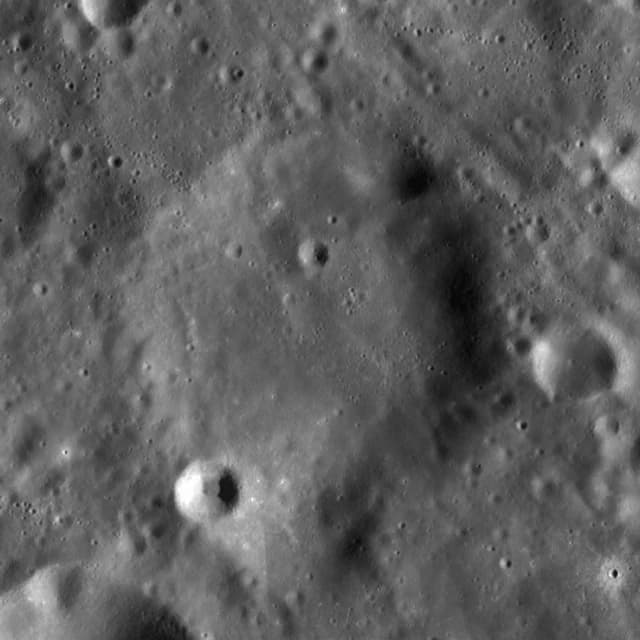
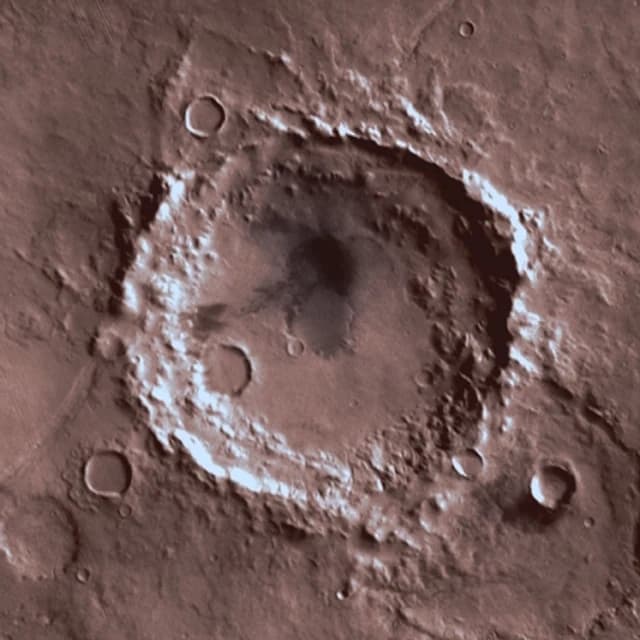
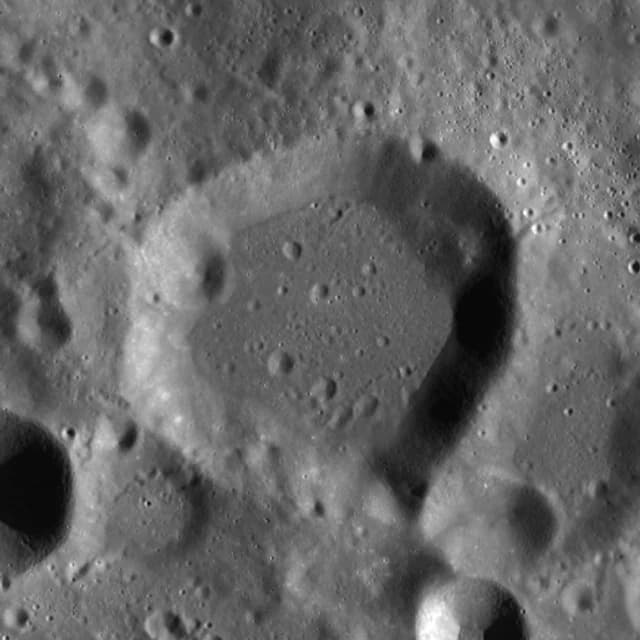
Start with the visual examples if you want a quick introduction. Open the full atlas when you want to compare diameter, position and source identity. CRATERNITY retains 83,061 lunar research records at least five kilometres across. That is a research count, not a count of objects approved for commercial dedication.
Give the recipient and the place different names
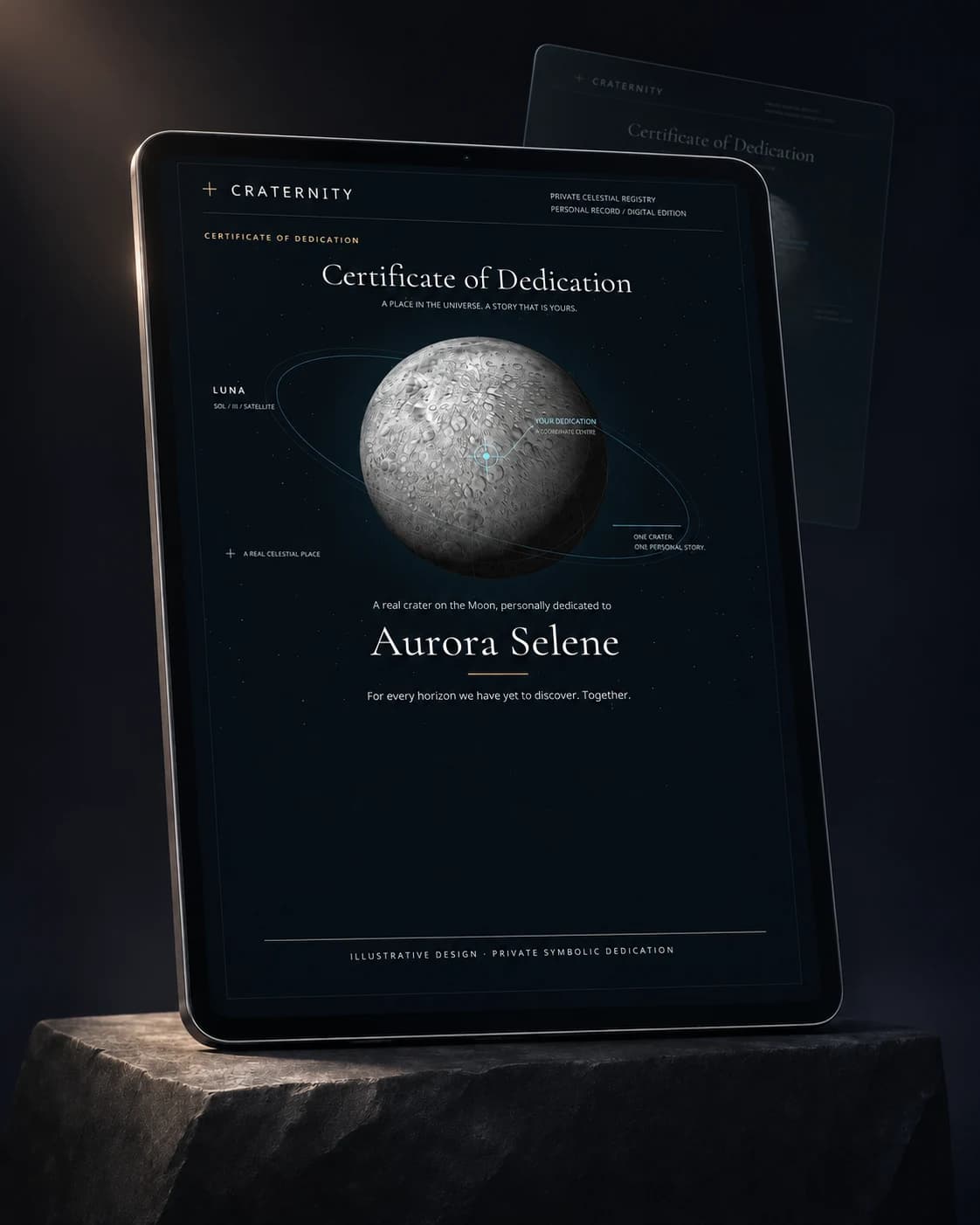
Enter the recipient’s name as you want it on the certificate. Then choose a private crater title in Latin letters, with spaces, hyphens or digits if desired. That title must be unique within CRATERNITY across both worlds; the recipient’s personal name may repeat.
A short title can carry a shared reference: a place you met, a phrase from a letter or an idea you return to together. Read it aloud. If its meaning needs a paragraph of explanation, keep the title simple and put that explanation into the dedication.
Preview the details that cannot be guessed
Check spelling, the personal date, the selected world and the source identifier. Look at the mobile certificate view as well as the form. An unissued preview is marked as such; it is not evidence that a name has been registered.
Choose publication deliberately. A verification-only public page can confirm a record without exposing the recipient’s name and message. The separate gift link is intended for the people you choose to let see the personal dedication.
Confirm, then prepare the handover
Download the PDF and keep the private order link for yourself. Send the Reveal link to the recipient, and use the public verification link only for the information you have chosen to publish. A commercial gift does not replace an IAU name: the USGS Gazetteer explains how official planetary nomenclature works.
Sources and further reading
Primary scientific and naming guidance checked on 6 November 2026. Gift suggestions are CRATERNITY editorial recommendations; source organisations do not endorse this service.
CRATERNITY data provenance and image credits · Privacy and sharing