An identifier should lead somewhere
A scientific source identifier refers to an entry in a particular catalogue. It should be accompanied by the catalogue’s author, release or version, and the fields used for the object’s position and size. A service’s private registration number is a different identifier, describing its dedication record.
Coordinates require a convention
A latitude and longitude pair needs a defined coordinate system. Longitude can be expressed using different ranges, and planetocentric and other latitude conventions should not be casually interchanged. A map or globe has to interpret the source convention correctly to put a point in the right place.
The displayed diameter is a measurement from a source release, rather than a decorative product size. Keep the underlying value and its provenance even when the interface rounds it for readability. A neat-looking number should not be invented to make a certificate more attractive.
An image answers its own questions
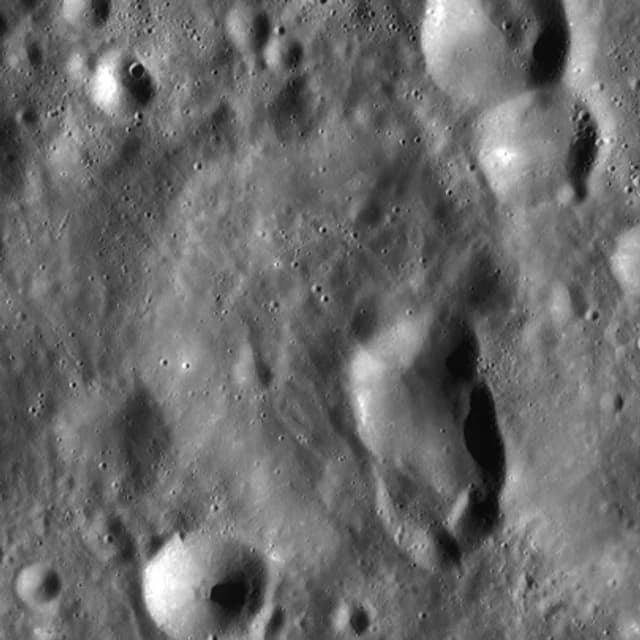
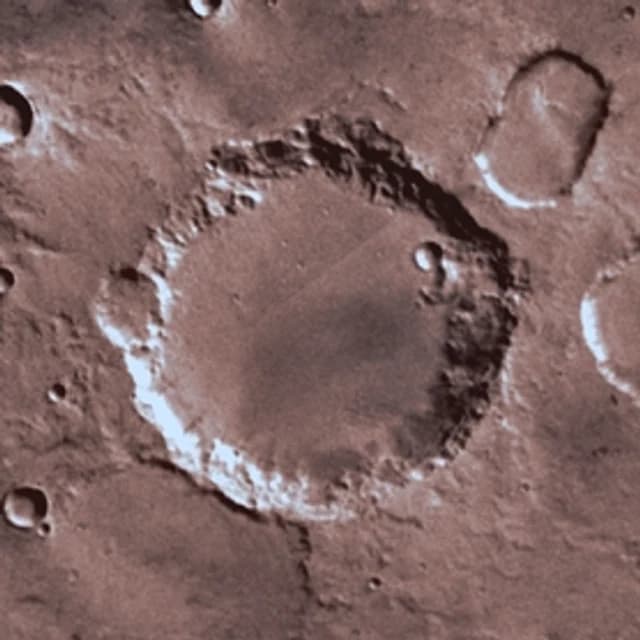
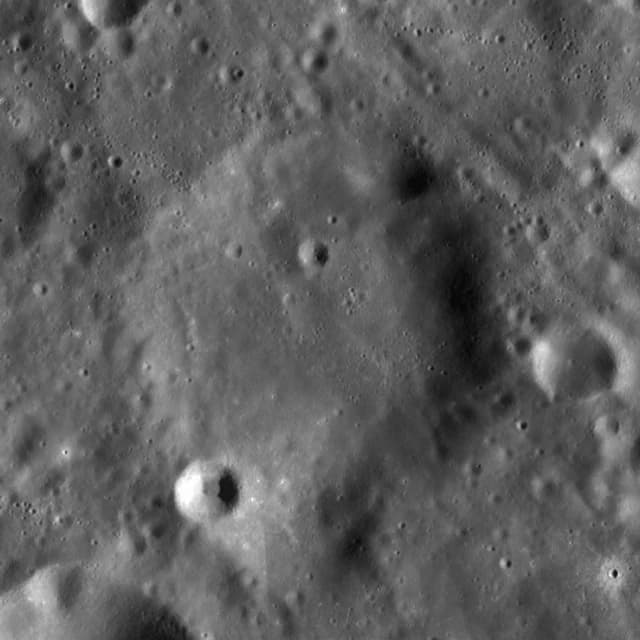
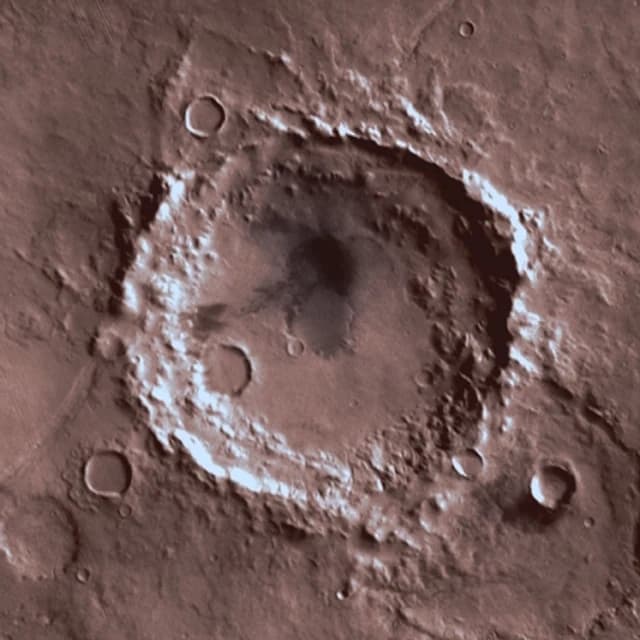
A regional surface map can help locate a coordinate, while a resolved orbital image may allow inspection of a crater rim. A global artistic texture provides broader context. The source, projection, resolution and actual coverage determine what conclusions an image can support.
A provider’s name alone is insufficient. A reliable viewer should check that the requested image loads and covers the selected area, and explain when a supported alternative is being used. A low-resolution context view should not be described as a detailed photograph of an individual small feature.
Scientific evidence is not commercial approval
An object can be scientifically catalogued while its current naming status, individual image quality, rights or commercial eligibility still need review. Recorded naming overlaps and uncertain objects also require care. An absence from an old list is not proof of present unnamedness.
Sources and further reading
Primary scientific and naming guidance checked on 6 November 2026. Gift suggestions are CRATERNITY editorial recommendations; source organisations do not endorse this service.
- NASA Science: lunar impact craters ↗
- USGS: how planetary names are approved ↗
- USGS / IAU Gazetteer: naming FAQ ↗
CRATERNITY data provenance and image credits · Privacy and sharing