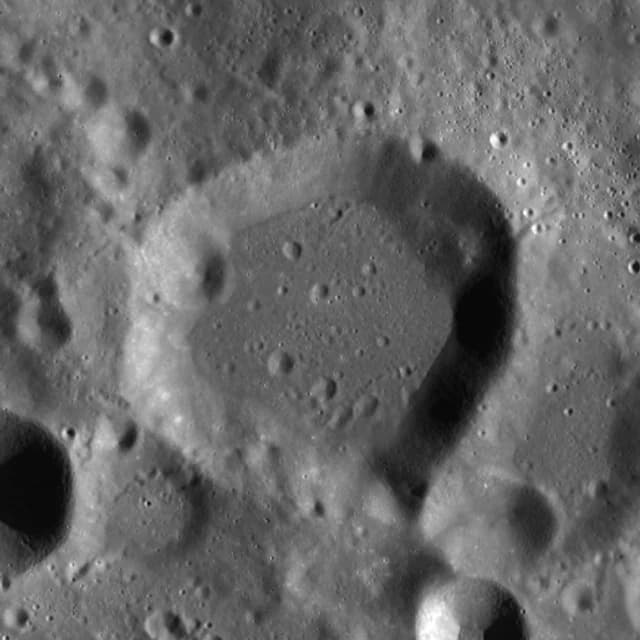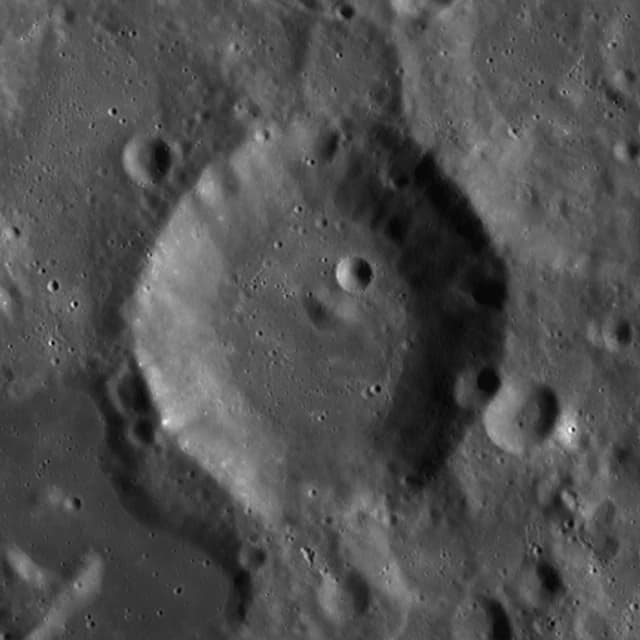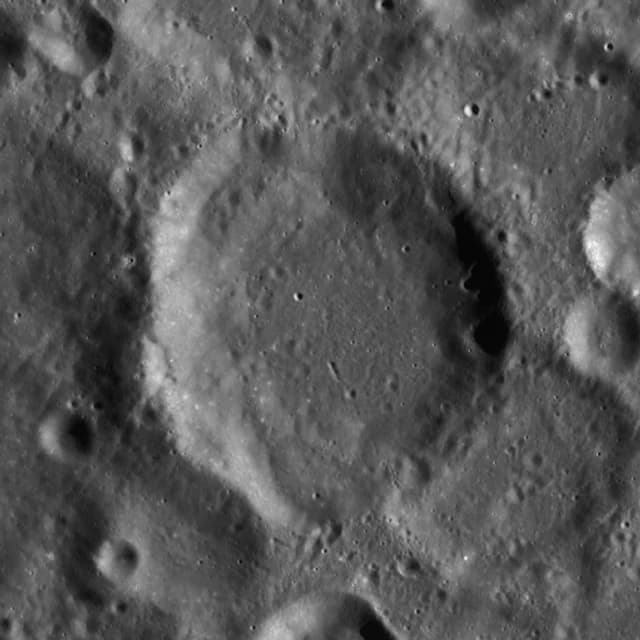
Start with a location you can investigate
Our full research atlas retains 83,061 lunar records at least five kilometres across. The visual showcase offers a few starting points; it does not replace the catalogue. Open a record to inspect the source identifier, coordinates and measured diameter.
Let the Moon hold a specific memory
A walk after dinner, a familiar view from a window or a promise to return can be the beginning of a dedication. Keep the private title concise and let the message explain the connection. The personal date can mark the memory while the registry keeps its own original confirmation time.
Try the Reveal with your recipient’s likely device in mind. You might introduce the link in a handwritten card or open it together. The PDF remains a keepsake after the opening, with the same scientific reference and personal details.
A few useful details.
Will we see our chosen crater through a telescope?
A source record does not guarantee telescope visibility. Position, scale, equipment, illumination and conditions matter. Use the scientific references and appropriate observing guidance rather than assuming visibility from the gift itself.
Is the Moon crater officially renamed?
The title is private to CRATERNITY. Official scientific names and identifiers stay unchanged; no lunar property or IAU naming right is conveyed.