Tycho: a dramatic centre and a wider pattern
NASA’s Tycho resource describes a sharply defined crater with a prominent central peak and an age of about 110 million years, young in lunar geological terms. Its appeal is both intimate and expansive: the interior rewards close study, while the surrounding ray pattern makes sense on a much broader view.
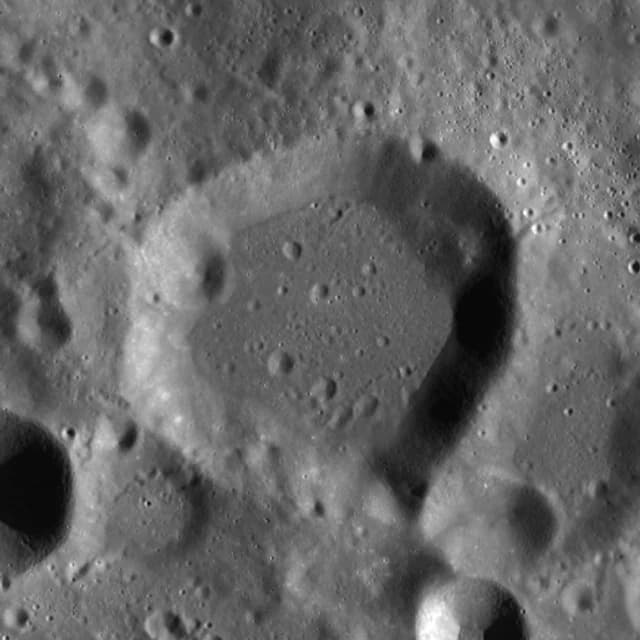
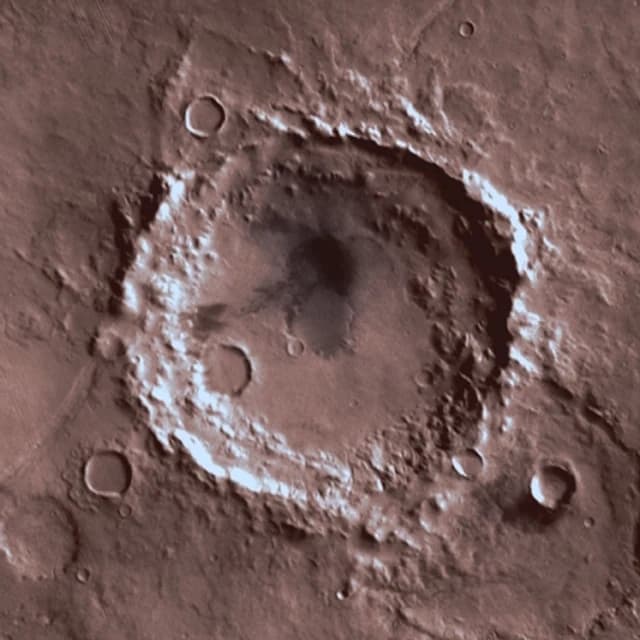
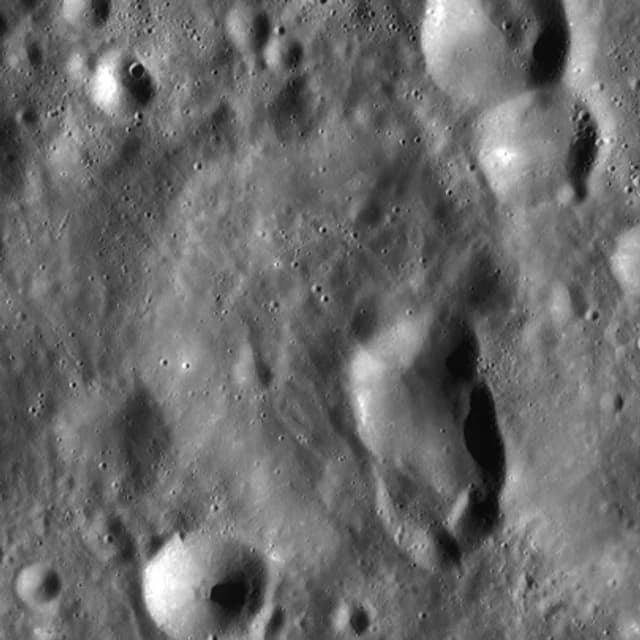
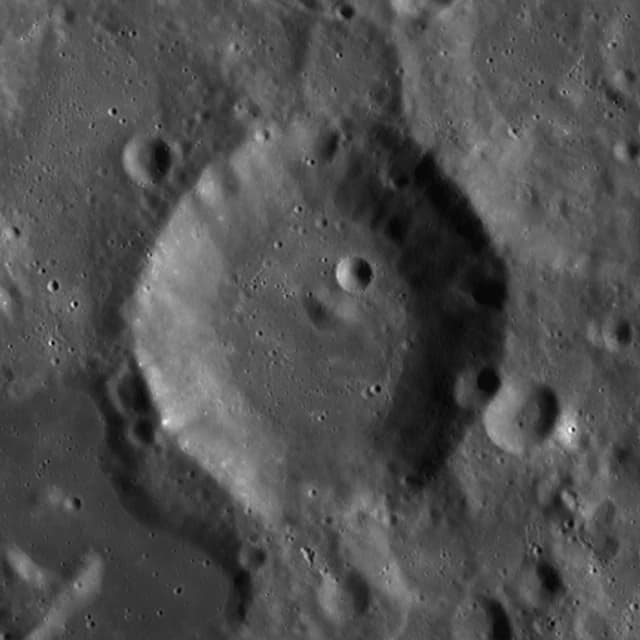
When comparing images, first establish whether you are seeing the whole crater, a central-peak detail or the wider ray system. A dramatic close-up may cover only a small part of the feature. Keep the source credit and scale with the image so the picture retains its scientific context.
Copernicus: follow the impact beyond the rim
NASA’s lunar viewing guidance highlights the bright ray systems associated with Copernicus and Tycho. The impact story continues outside a crater’s outline: material thrown out during formation can make the surrounding landscape as interesting as the central depression.
Compare a broad lunar view with a mission image rather than judging a crater from one crop. Look for the rim first, then trace what lies around it. This is a way to appreciate the scene, not a test that proves the age or commercial eligibility of a different catalogued feature.
Bowls, central peaks and changing shadows
NASA distinguishes simple, bowl-like craters from more complex structures. Learning those broad shapes can turn a lunar photograph into something you can read. A central peak, a terraced wall or a smooth-looking floor invites a different question about how the feature formed and changed.
Illumination matters just as much as apparent size. NASA recommends looking beyond the full-Moon phase when you want terrain to stand out through shadow. The view available from Earth also depends on equipment, conditions and the location itself; no catalogue entry guarantees an individual observing result.
Bring scientific care to a personal choice
If you are choosing a private dedication, use a source identifier and coordinates to keep the object traceable. Check whether an image is a coordinate-centred illustration, a regional basemap or an actual orbital observation of the rim. Those are useful different views with different evidential value.
CRATERNITY preserves its scientific references separately from personal titles. Its preview lets you explore locations and experiment with a certificate, while current naming, imagery and commercial review remain open gates. You can enjoy famous officially named craters as scientific examples without suggesting they have become newly unnamed gift inventory.
Sources and further reading
Primary scientific and naming guidance checked on 6 November 2026. Gift suggestions are CRATERNITY editorial recommendations; source organisations do not endorse this service.
CRATERNITY data provenance and image credits · Privacy and sharing